


Top Tips to Relieve Muscle Aches Effectively

Muscle aches can be frustrating and uncomfortable, whether they come from intense workouts, long hours of sitting, or stress. Fortunately, knowing how to tackle muscle discomfort can significantly enhance your daily life and activity levels. In this post, we will cover practical tips to help you manage and alleviate muscle aches effectively.
Understanding Muscle Aches
Muscle aches, or myalgia, can stem from various sources including overuse, injuries, or underlying medical issues. Identifying the cause of your muscle pain is crucial to selecting the right treatment.
Muscle soreness generally falls into two categories: acute and chronic. Acute soreness often occurs after physical activity, and it usually resolves within a few days. For example, delayed onset muscle soreness (DOMS) can peak 24 to 48 hours after exercise and typically improves within five days. Chronic muscle pain persists for weeks or more, potentially requiring medical intervention.
Stay Hydrated
One of the simplest yet most effective ways to reduce muscle aches is to stay well-hydrated. Dehydration can lead to muscle cramps and heightened soreness. Studies show that athletes can experience up to a 60% decrease in performance when dehydrated.
Aim for at least eight 8-ounce glasses of water per day (around 2 liters). If you exercise intensely or live in a hot climate, consider increasing your intake to 10 or 12 glasses.
Incorporate Stretching
Stretching is vital for muscle recovery and can minimize tightness while enhancing flexibility. Make stretching a regular part of your routine, especially after workouts. Research indicates that static stretching can improve muscle recovery by 16%.
Focus on major muscle groups, holding each stretch for 15-30 seconds. For instance, after a run, perform stretches for your hamstrings and quadriceps to promote muscle relaxation and blood flow.

Use Heat Therapy
Applying heat to sore muscles provides immediate relief. Heat therapy increases blood flow, relaxing tight muscles and alleviating pain. You can use a heating pad, warm towel, or take a warm bath. For example, soaking in a warm bath with Epsom salt can help soothe sore muscles and provide magnesium, which is beneficial for muscle recovery.
For best results, apply heat for 15-20 minutes. Avoid using heat on swollen or inflamed areas, as it might worsen the problem.
Try Cold Therapy
Cold therapy is particularly effective for recent injuries that lead to muscle aches. Ice packs can reduce inflammation and numb the pain. According to studies, cold therapy can reduce muscle soreness by as much as 20% in the first 48 hours after an injury.
Wrap ice in a cloth and apply to the affected area for 15-20 minutes. This method is best during the initial phase following an injury.
Engage in Light Exercise
Engaging in light exercise, such as walking or cycling, can help relieve muscle soreness. While it may seem contradictory, low-impact activities promote blood circulation and assist in flushing out lactic acid, which contributes to muscle discomfort.
Aim for about 30 minutes of light activity. For instance, taking a brisk walk can enhance recovery while allowing you to listen to your body and adjust intensity as needed.
Massage Therapy of course!
Massage therapy is an excellent approach to alleviate muscle aches. Professional massages can reduce tension and improve blood flow. According to the American Massage Therapy Association, 70% of people report less pain after regular massage sessions.
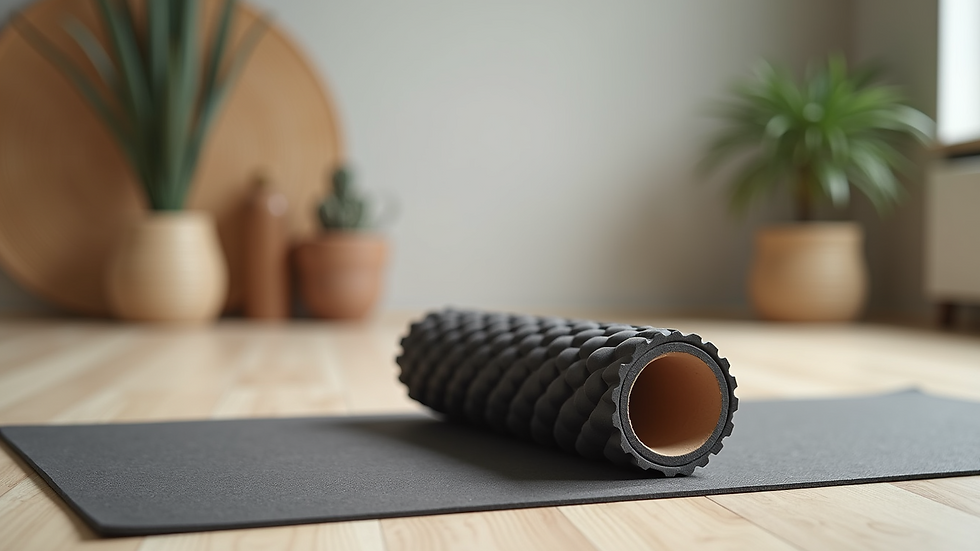
If professional massage isn't an option, using tools like foam rollers or massage balls can be effective for self-massage. These techniques can target specific muscle groups and ease soreness.
Maintain a Balanced Diet
Nutrition plays a key role in muscle recovery. A balanced diet rich in vitamins, minerals, and protein supports muscle health. Foods high in antioxidants, such as berries and leafy greens, help reduce inflammation.
Aim to incorporate lean proteins, whole grains, and healthy fats into your meals. For example, eating 3-4 servings of fruits and vegetables daily can provide essential nutrients that support recovery, along with sources of protein like chicken or beans.
Get Adequate Rest
Rest is crucial for muscle recovery. Quality sleep is when your body repairs and regenerates muscle tissue. Most adults should aim for 7-9 hours of quality sleep each night.
If you experience ongoing muscle aches, consider taking a break from intense physical activities. Allowing your body time to rest can be just as important as any workout.
Explore Over-the-Counter Pain Relief
If muscle aches linger, over-the-counter pain relief medications like ibuprofen may offer temporary relief. Always follow dosage instructions and consult with your healthcare provider if you have any concerns.
Remember that while these medications alleviate pain, they do not resolve the underlying causes of soreness.
Seek Professional Help
When muscle aches are severe or persistent, it may be time to consult a professional. A healthcare provider can evaluate your condition and recommend treatments suited to your needs.
Physical therapy can also be beneficial for those with chronic muscle pain. A therapist can create a personalized plan to address specific problems and improve overall muscle function.
Final Thoughts
Muscle aches can be bothersome, but various strategies can help you effectively manage and relieve discomfort. From staying hydrated and incorporating stretching to using heat or cold therapy, there are many ways to support muscle recovery.
Always listen to your body, and if you encounter persistent pain, seek professional advice. By taking proactive steps, you can maintain an active lifestyle and minimize muscle pain.
Comments